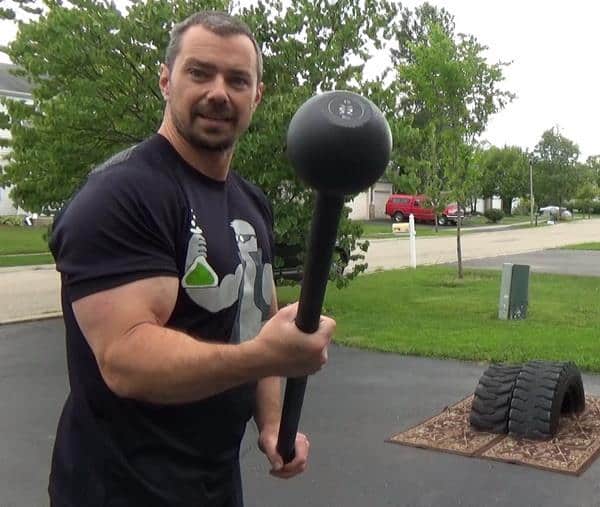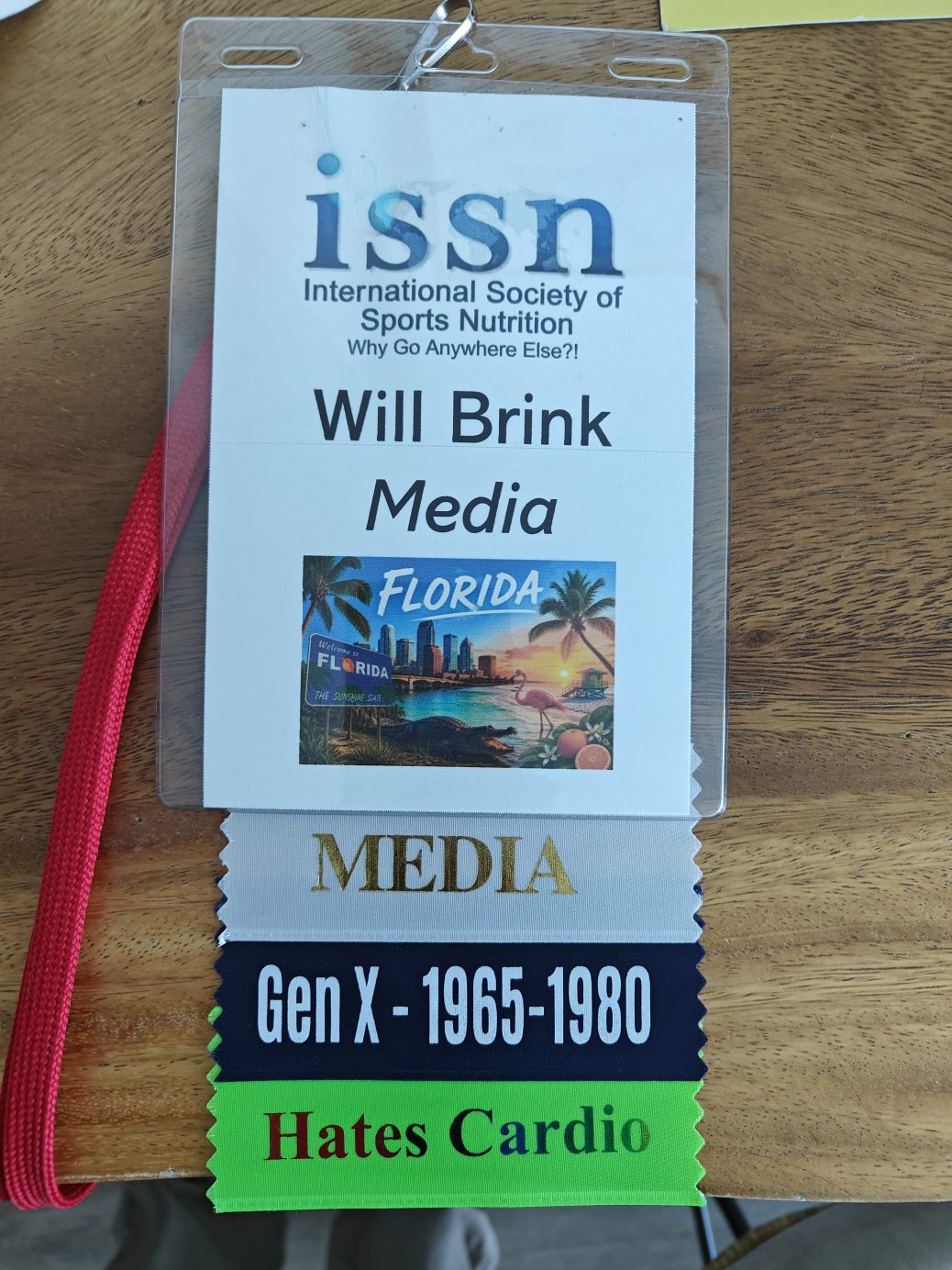
Another excellent ISSN conference recently happened in Fort Lauderdale FL. I have said it before, will say it again, that’s the conference to attend for those who want to know what’s new and emerging in sports nutrition, supplements, and other related topics. This year there was a wide range of interesting topics covered via the speakers (see what topics and speakers entire list here) as well as vendors and my personal favorite, the poster sessions.
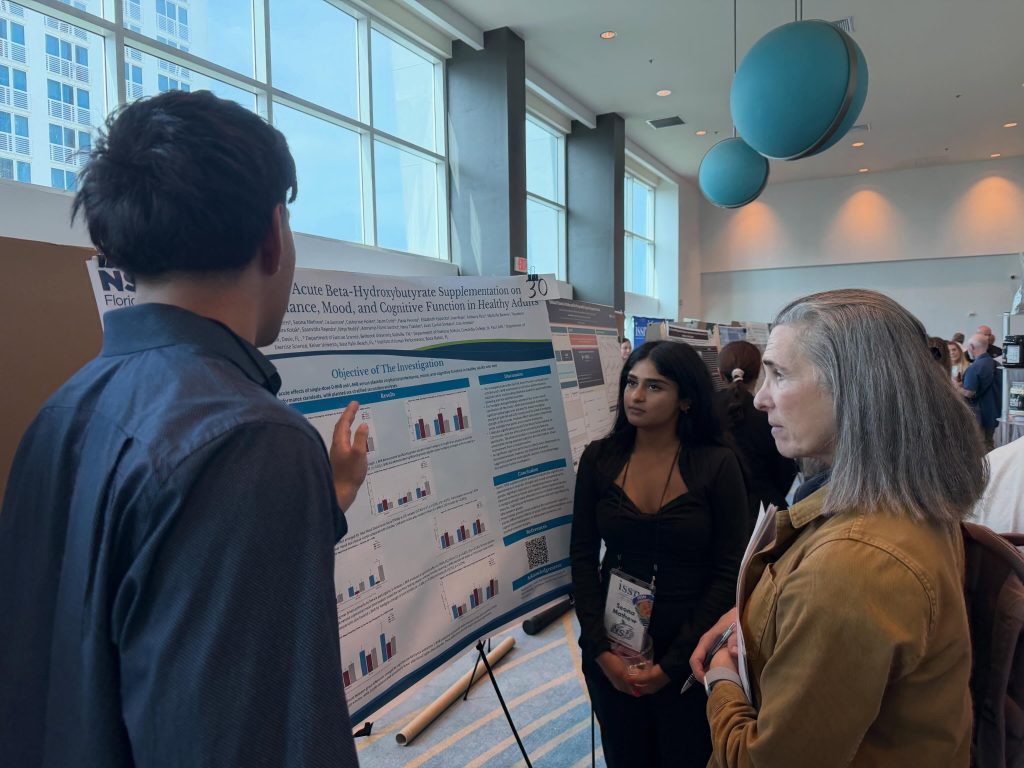
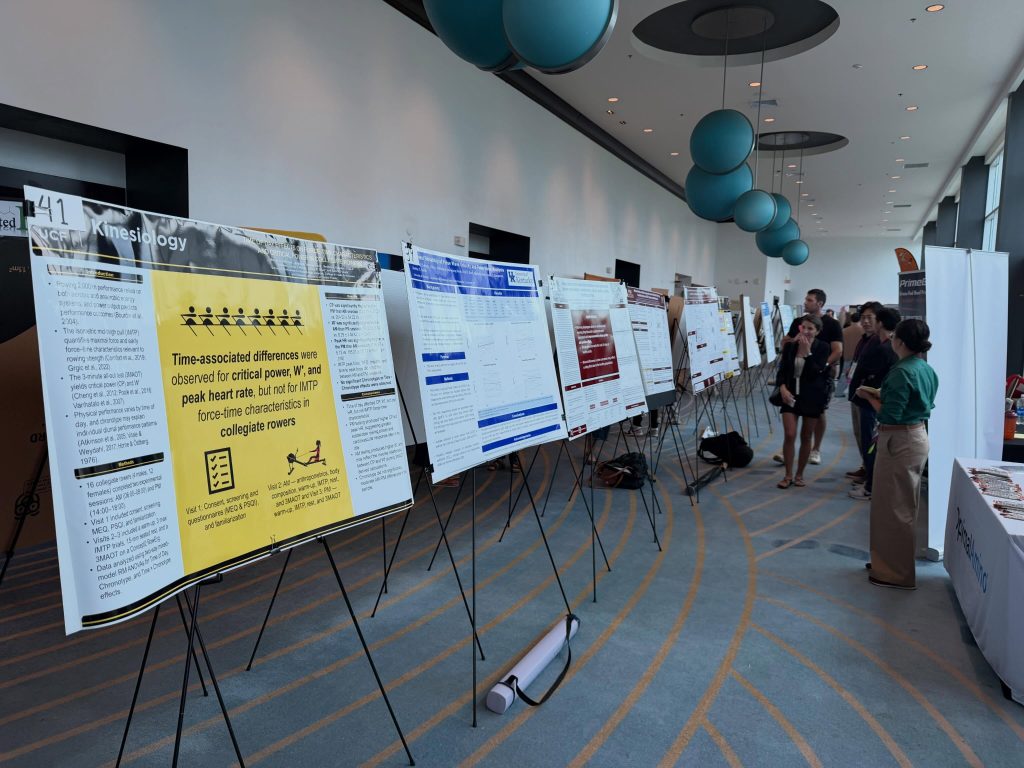
What are poster sessions you ask? For those who don’t attend science/medical conferences, poster sessions are usually, but not always, literally a poster that summarizes research done by students. You can read the poster quickly and move to the next one and see what research was done. You can stop and ask questions of those who were involved with the study. The pics give a better idea how that works. This year there was research on possible benefits of ketones, and one compound I have been interested in for decades, the precursor molecule to creatine, which is Guanidinoacetic acid (GAA), also called glycocyamine. Why the interest? GAA passes through the blood brain barrier easier than creatine does and even at lower doses, can increase brain creatine levels. Creatine doses required to boost brain tissue levels are quite high, 8-10g at least, although lower doses typically used (3-5g) are still likely beneficial as I recently discussed HERE. The study on GAA presented as a poster session was compelling and interesting, and further peaked by interest in the future use of GAA as a possible brain specific supplement that may offer therapeutic benefits to aging brains, perhaps even as treatment for brain diseases and related. Another posters session that caught my interest was looking at possible benefits of ketone supplements. Ketones as a supplement, have been on my radar for decades. Can we derive the benefits of ketones without having to resort to a keto diet? The answer requires more data, but what exists, suggests benefits for some populations and some uses, but the claims of magical effects are clearly overblown. The late Pat Arnold did a lot of research on ketones, and what forms of ketones would work as a supplement, and interest in ketone supplements are experiencing a resurgence of sorts. Those and other studies from the poster sessions will be online shortly I’m told, and people should check out the ISSN web site for more information there.
Another take away from this conference was, by both the talks given and vendors there, it’s clear more supplement companies are funding clinical trials to actually support their claims with more than just marketing hype, and that’s a trend that makes me a very happy guy, as I have lamented for decades the fact few companies did the studies needed vs hype. The ISSN has made for a solid conduit of publishing the studies, helping to get people reading them, and it’s a beneficial symbiosis for consumers in the long run. The supplement industry has always been heavily criticized for being big on hype and short on data, and that is clearly changing for the better. Most of the vendors there when I asked what data they had to support some claim they were making, either had a study handy to show me, or, had studies in process, or both! That’s a very different experience than it was a decade ago where I might request what evidence existed for a claim being made, and I’d get a look like I was a crazy person for asking such a question. So yes, the supplement industry writ large in collaborations with orgs such as the ISSN are getting studies done, published, and disseminated, and that’s good for all of us, be as a scientist, a consumer, or someone in the biz. I happen to be all of those! Next year, the ISSN conference is in Jupiter FL and one does not have to be a scientist to benefit from attending. Get info HERE. Nutritionists, trainers, athletes, coaches, law enforcement, etc will benefit from attending that conference.
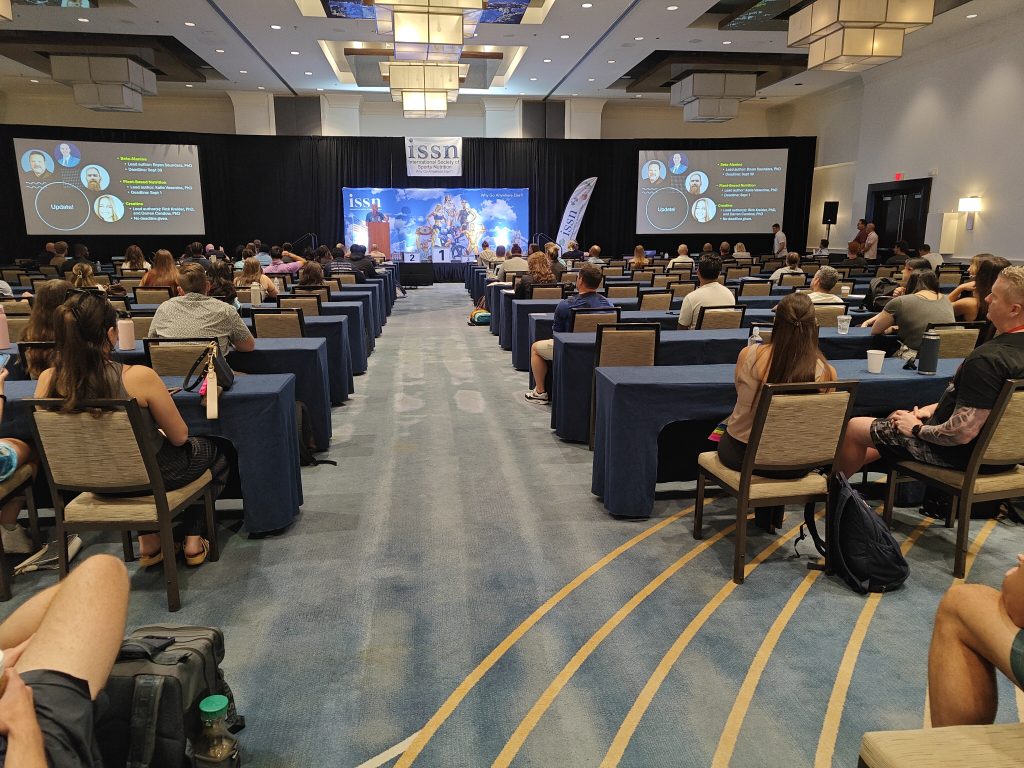
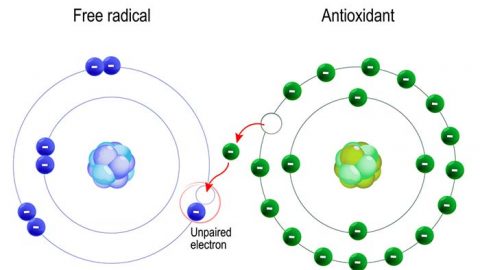
In the main conference room, various talks were given. One that I was interested in was by a Hunter Waldman PhD on Astaxanthin and Muscle Recovery/Cognition. Astaxanthin is getting a lot of attention these days, it’s a potent anti oxidant that Reduces lipid peroxidation and may modulate inflammatory signaling. Specific applications to athletic populations are promising but evidence is mixed. Some small trials report reduced muscle soreness and faster recovery while others find no significant improvements in strength, endurance, or athletic performance. Research is ongoing. Another interesting topic was on GLP-1 drugs and applications and uses within an athletic framework, by a Brittany Johnson PhD. GLP-1 medications are being found to have effects and benefits well outside simple weight loss, and she covered some of the emerging evidence.

Will Brink is the owner of the Brinkzone Blog. Will has over 30 years experience as a respected author, columnist and consultant, to the supplement, fitness, bodybuilding, and weight loss industry and has been extensively published. Will graduated from Harvard University with a concentration in the natural sciences, and is a consultant to major supplement, dairy, and pharmaceutical companies.
His often ground breaking articles can be found in publications such as Lets Live, Muscle Media 2000, MuscleMag International, The Life Extension Magazine, Muscle n Fitness, Inside Karate, Exercise For Men Only, Body International, Power, Oxygen, Penthouse, Women’s World and The Townsend Letter For Doctors.
He’s also been published in peer reviewed journals.
Will is the author of the popular e-books, both accompanied by private members forum access , Bodybuilding Revealed & Fat Loss Revealed.
You can also buy Will’s other books on Amazon, Apple iBook, and Barnes and Noble.